Premium Dark Chocolate: 7 Things You Need to Know Before Buying (2026) The Complete Guide to Choosing the Best Organic Dark Chocolate
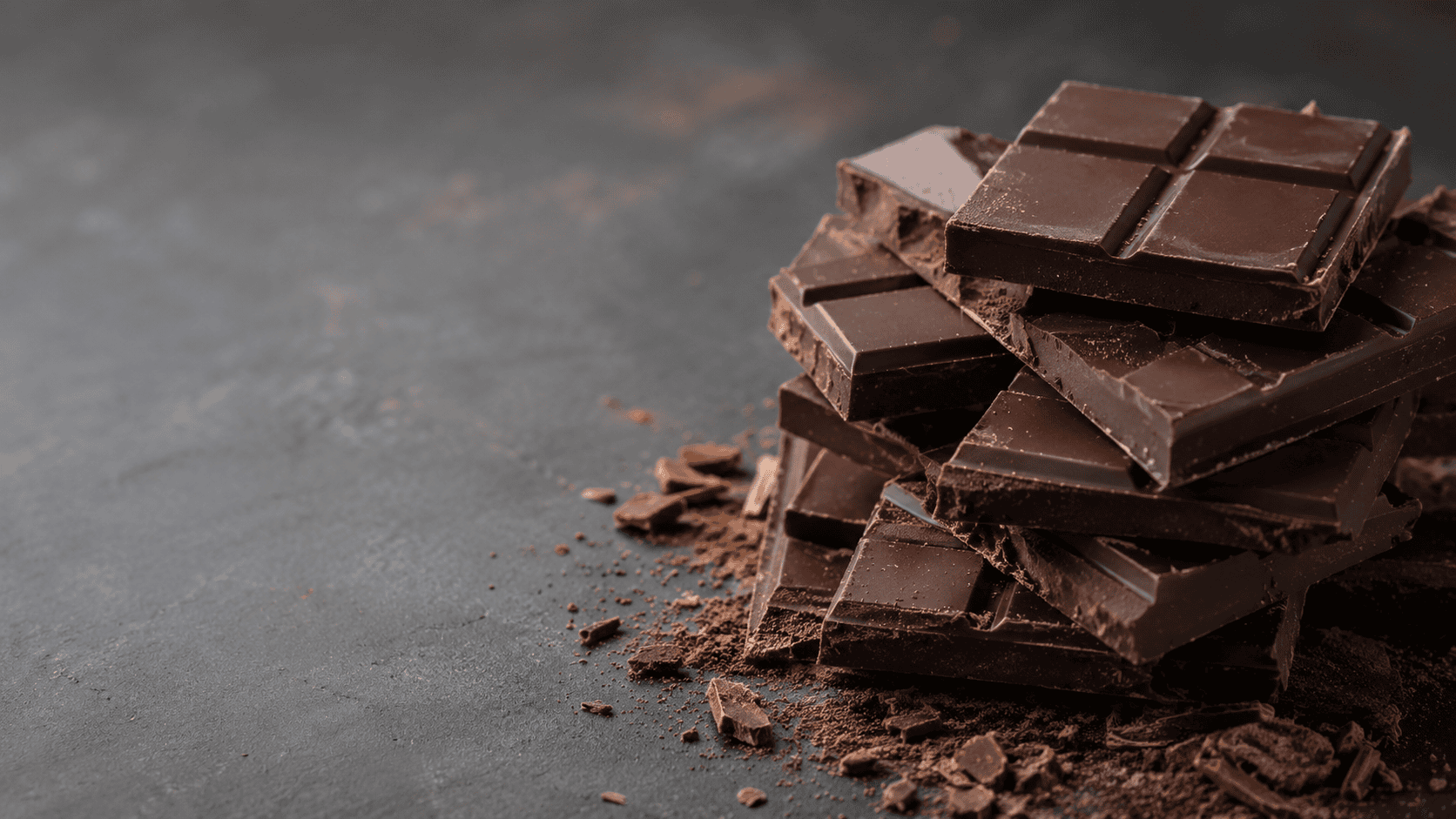
Few foods combine indulgence and nutrition as successfully as Premium Dark Chocolate. Once considered a luxury treat, high-quality dark chocolate has become a favorite among health-conscious consumers, gourmet food enthusiasts, and anyone seeking a richer chocolate experience. Unlike conventional chocolate bars that often contain excess sugar and artificial additives, premium dark chocolate focuses on exceptional ingredients, careful craftsmanship, and authentic cocoa flavor.
Modern consumers are paying more attention to what goes into their food. As a result, Organic Chocolate made from Organic Cocoa Beans is gaining popularity. Products carrying USDA Organic Certification, EU Organic Certification, or made with Non-GMO Ingredients reassure buyers that the chocolate has been produced under strict quality standards while supporting environmentally responsible farming practices.
However, choosing the right dark chocolate isn’t always easy. A label claiming “70% cocoa” or “premium” doesn’t automatically guarantee quality. Understanding Cocoa Percentage, Ingredient Transparency, Chocolate Origin, production methods, and ethical certifications helps you distinguish truly exceptional chocolate from ordinary products.
This comprehensive guide explains everything you need to know—from how cocoa is grown and processed to how professionals evaluate chocolate using appearance, aroma, texture, and taste. By the end, you’ll know exactly what to look for when selecting premium dark chocolate that delivers outstanding flavor, quality, and value.
What Is Premium Dark Chocolate?
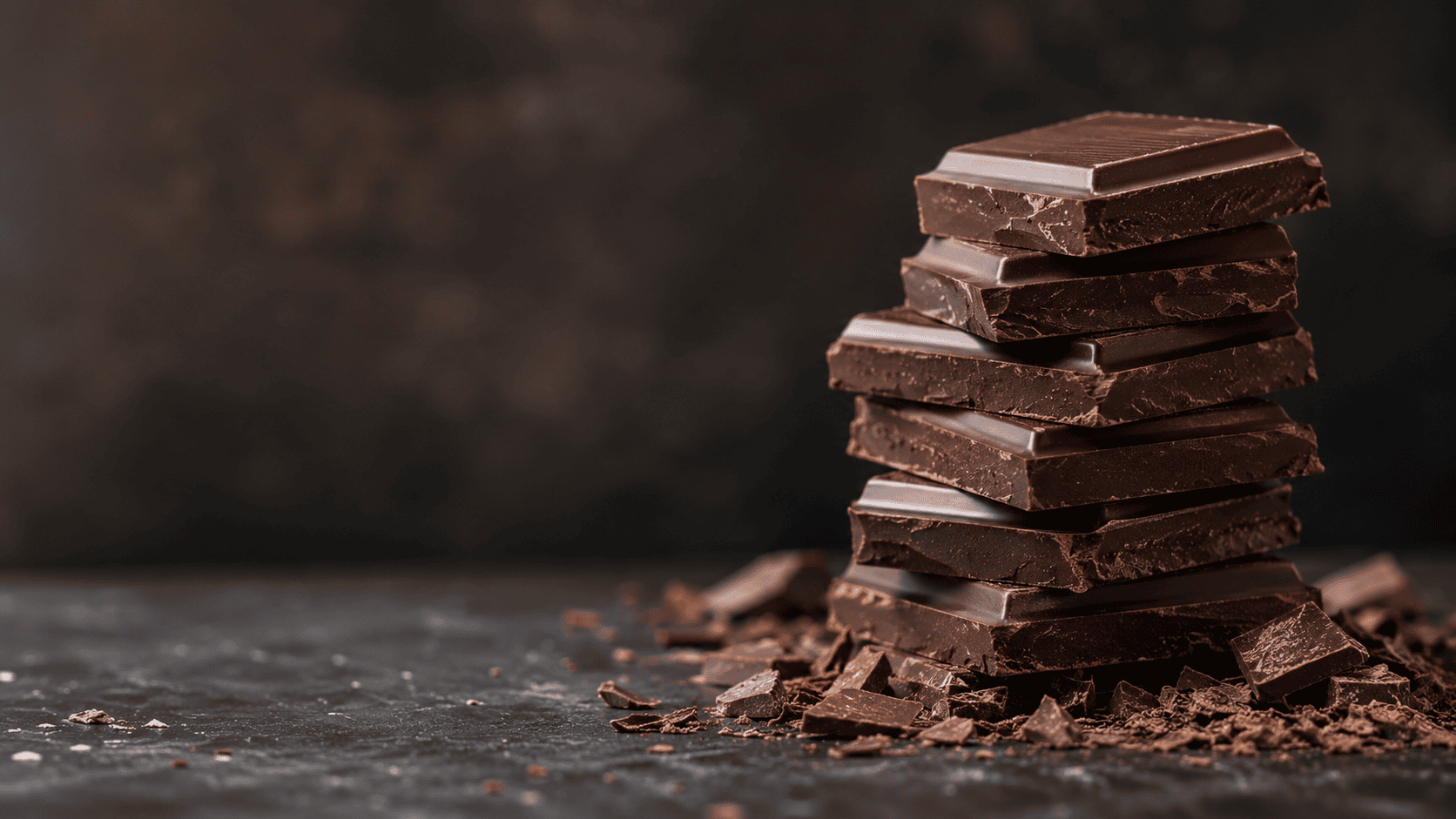
Premium dark chocolate is made with a strong emphasis on ingredient quality, craftsmanship, and cocoa flavor. While ordinary chocolate often prioritizes sweetness and shelf life, premium chocolate focuses on preserving the natural characteristics of the cocoa bean.
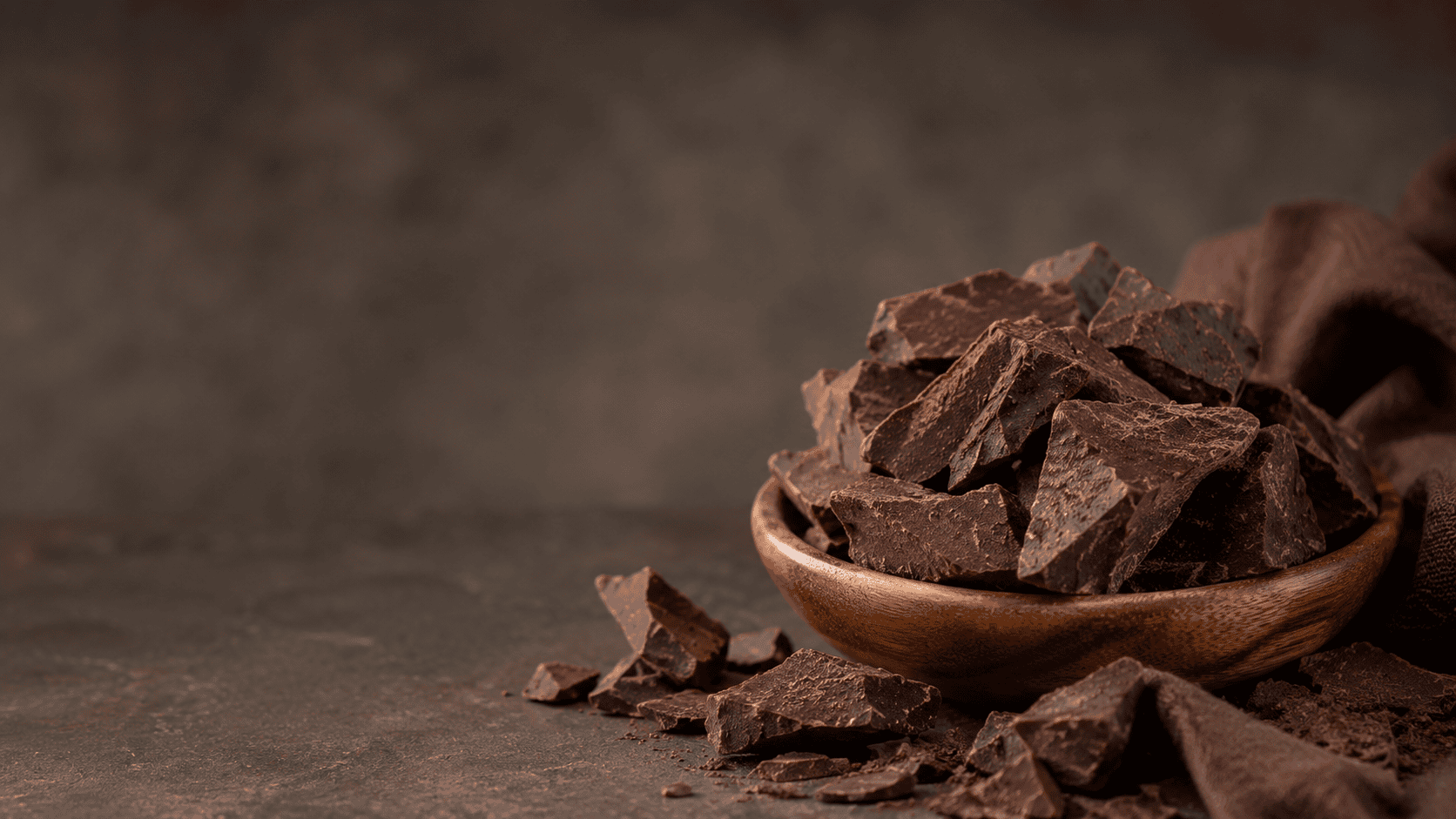
Unlike mass-market products, premium manufacturers use carefully selected Cocoa Beans, often sourced from specific regions known for producing distinctive flavor profiles. These beans are transformed into chocolate through meticulous processing rather than rapid industrial production.
The foundation of every premium chocolate bar consists of four essential ingredients:
- Chocolate Liquor, which is pure ground cocoa beans and contains no alcohol.
- Cocoa Mass, the rich cocoa paste formed after grinding roasted beans.
- Cocoa Butter, the natural fat that gives chocolate its smooth texture and luxurious melt.
- Cocoa Solids, responsible for the deep chocolate flavor and many of the nutritional compounds found in dark chocolate.
Rather than masking cocoa flavor with excessive sweetness, premium brands embrace Minimal Ingredients. A typical high-quality dark chocolate bar may contain only cocoa mass, cocoa butter, organic cane sugar, and natural vanilla. This simple ingredient list supports Ingredient Transparency, making it easier for consumers to understand exactly what they are eating.
In contrast, lower-quality chocolate frequently contains large amounts of Added Sugar, Refined Sugar, vegetable fats, Artificial Flavors, Artificial Preservatives, and unnecessary Emulsifiers (Soy Lecithin). While soy lecithin is commonly used to improve texture and manufacturing efficiency, premium producers generally minimize its use to preserve a cleaner cocoa taste.
Another hallmark of premium chocolate is the choice between Vanilla vs Vanillin. Natural vanilla complements cocoa’s complexity, whereas synthetic vanillin primarily adds sweetness and lacks the depth of genuine vanilla.
Why Organic Chocolate Is Becoming the Preferred Choice
As consumers become more conscious of food quality and sustainability, Organic Chocolate has moved from a niche product to a mainstream preference.
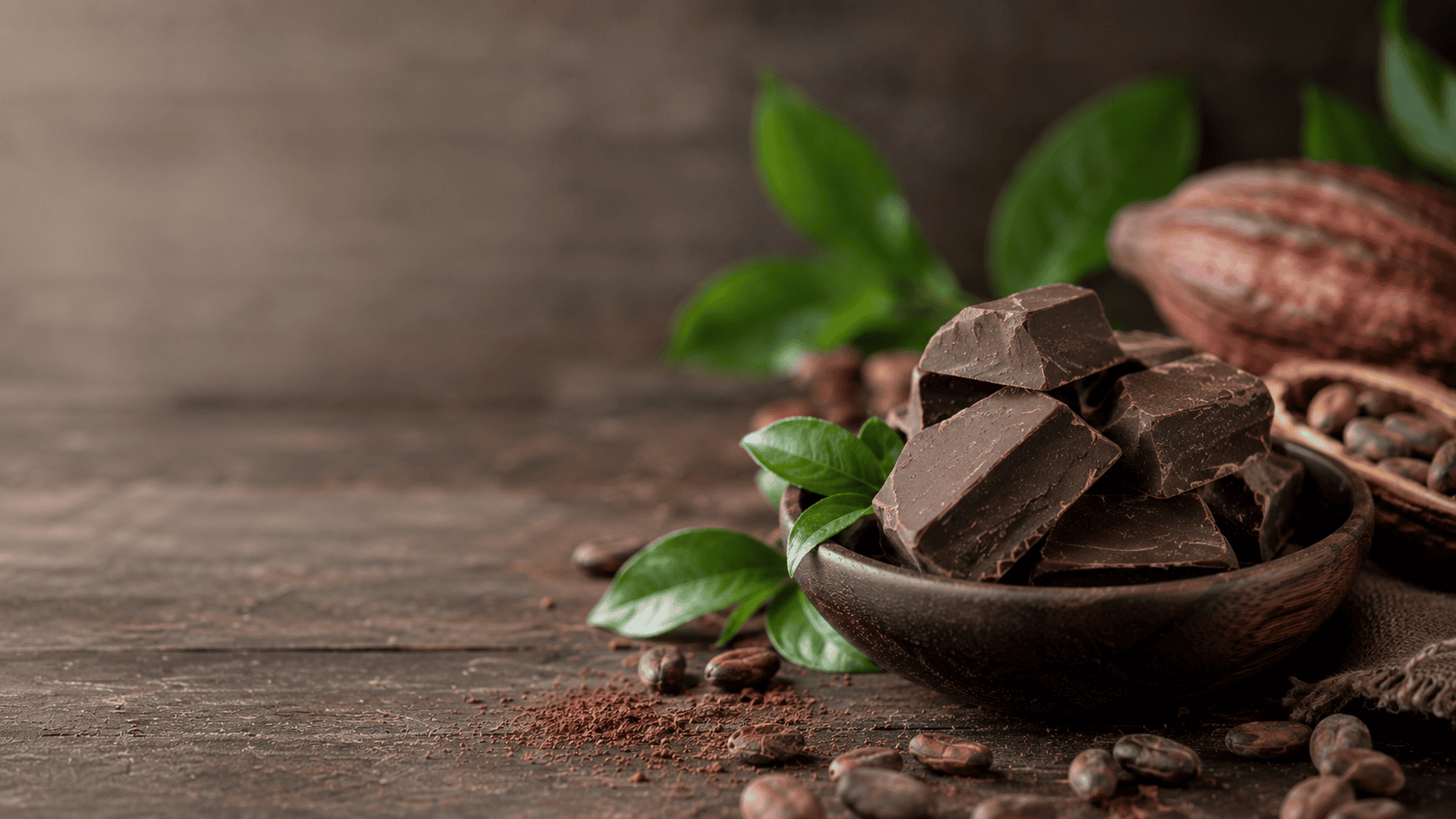
Organic chocolate begins with Organic Cocoa Beans, cultivated without synthetic pesticides, herbicides, or genetically modified organisms. Farmers rely on natural agricultural practices that help maintain soil fertility, protect biodiversity, and reduce environmental impact.
To qualify for respected certifications such as USDA Organic Certification or EU Organic Certification, chocolate producers must follow rigorous standards governing farming, ingredient sourcing, processing, and handling. These certifications also encourage greater transparency throughout the supply chain.
Many organic chocolate makers go beyond certification by using Non-GMO Ingredients, reinforcing their commitment to natural production methods.
For consumers, organic chocolate offers more than a marketing label. It often reflects a broader philosophy centered on cleaner ingredients, responsible agriculture, and long-term environmental stewardship.
Sustainable Cocoa Farming and Ethical Sourcing
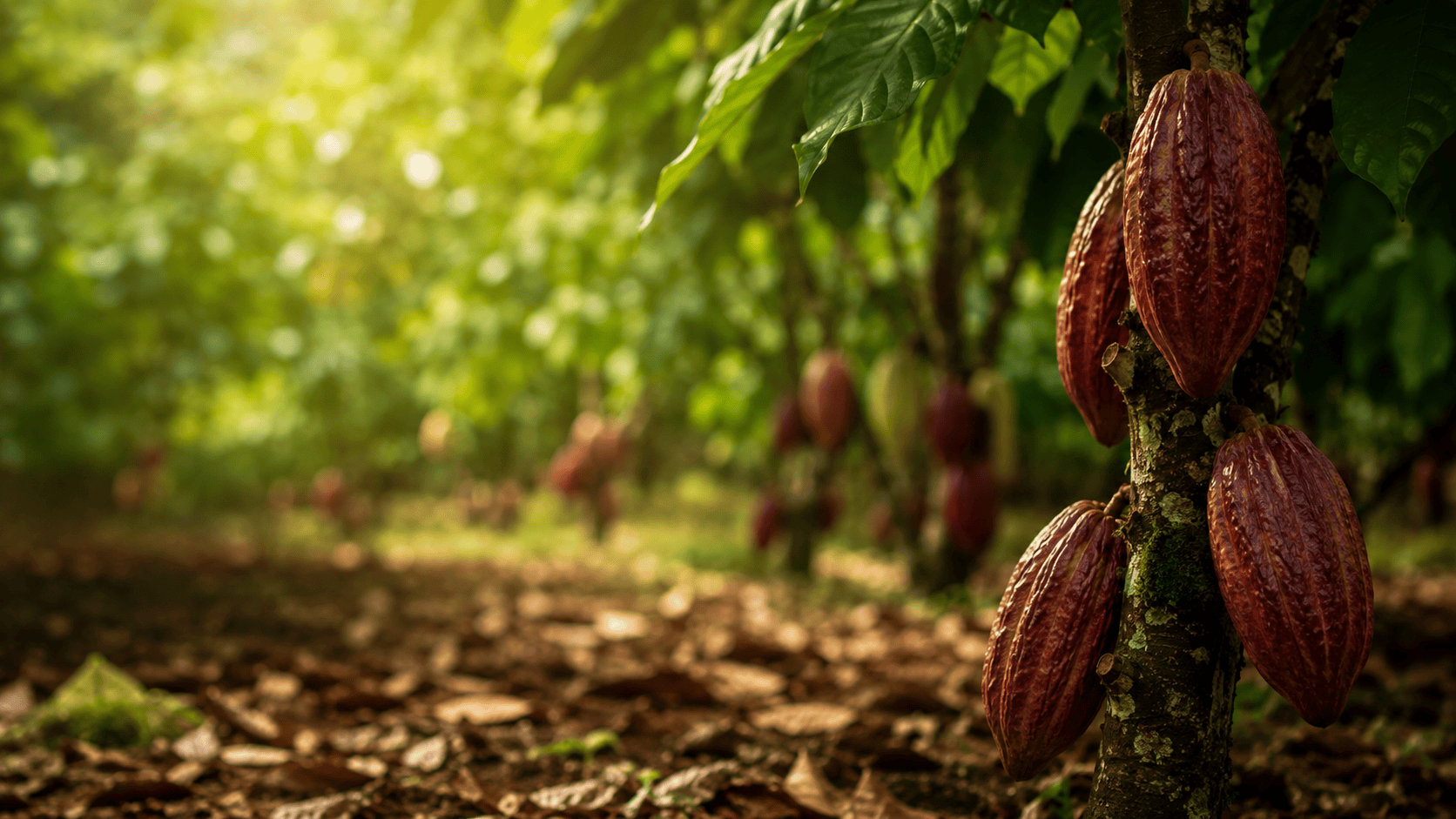
Exceptional chocolate begins long before the manufacturing process. The quality of the final product is deeply connected to how cocoa is grown and how farming communities are supported.
Leading premium brands invest in Sustainable Cocoa Farming, which promotes environmentally responsible cultivation while protecting forests, improving soil health, and preserving wildlife habitats.
Equally important is Ethical Sourcing. Many cocoa-growing regions face challenges such as unstable incomes, climate change, and labor concerns. Responsible chocolate companies work directly with farming communities to ensure fair compensation, better working conditions, and long-term partnerships.
Independent certifications help consumers identify brands committed to these principles. The most recognized include Fair Trade Certification, which emphasizes fair wages and improved social conditions, and Rainforest Alliance Certification, which focuses on environmental conservation alongside responsible farming practices.
By choosing chocolate produced under these standards, consumers support not only superior products but also healthier farming communities and more sustainable agricultural systems.
Understanding Cocoa Percentage
One of the first numbers shoppers notice on a chocolate wrapper is the cocoa percentage. Although this figure is important, it is often misunderstood.
The Cocoa Percentage represents the combined amount of cocoa solids and cocoa butter contained within the chocolate. A higher percentage generally indicates less sugar, but it does not automatically guarantee superior quality.
The following guide provides a practical overview:
| Cocoa Percentage | Flavor Profile | Best For |
|---|---|---|
| 55–60% | Mild, sweet, approachable | New dark chocolate enthusiasts |
| 70% | Balanced cocoa flavor with moderate sweetness | Everyday enjoyment |
| 75–80% | Rich, bold, complex | Chocolate lovers |
| 85–90% | Intense cocoa with minimal sweetness | Low-sugar diets and experienced palates |
| 95–100% | Extremely bitter and robust | Baking or specialized tasting |
A well-crafted 70% chocolate made from premium beans can deliver greater complexity than a poorly produced 90% bar. Flavor depends on bean quality, fermentation, roasting, and manufacturing—not cocoa percentage alone.
The Importance of Chocolate Origin
Much like coffee and wine, chocolate reflects its place of origin.
The Chocolate Origin influences aroma, acidity, sweetness, fruitiness, and overall complexity. Premium manufacturers often celebrate these regional characteristics by producing Single-Origin Chocolate, made exclusively from cocoa grown in one country or even one specific farm.
Different regions produce distinctive flavor profiles:
- Ecuador is known for floral aromas and delicate fruit notes.
- Madagascar often delivers bright citrus and berry characteristics.
- Ghana produces balanced cocoa with rich chocolate flavor.
- Peru offers earthy, nutty, and lightly fruity notes.
- Venezuela is famous for smooth, refined cocoa with exceptional complexity.
Single-origin chocolate allows consumers to appreciate how climate, soil, rainfall, and farming techniques shape the final flavor, much like terroir influences fine wines.
Bean-to-Bar Chocolate: Craftsmanship from Farm to Finished Bar
Many premium manufacturers proudly describe their products as Bean-to-Bar Chocolate. This means they oversee every stage of production rather than purchasing ready-made chocolate from industrial suppliers.
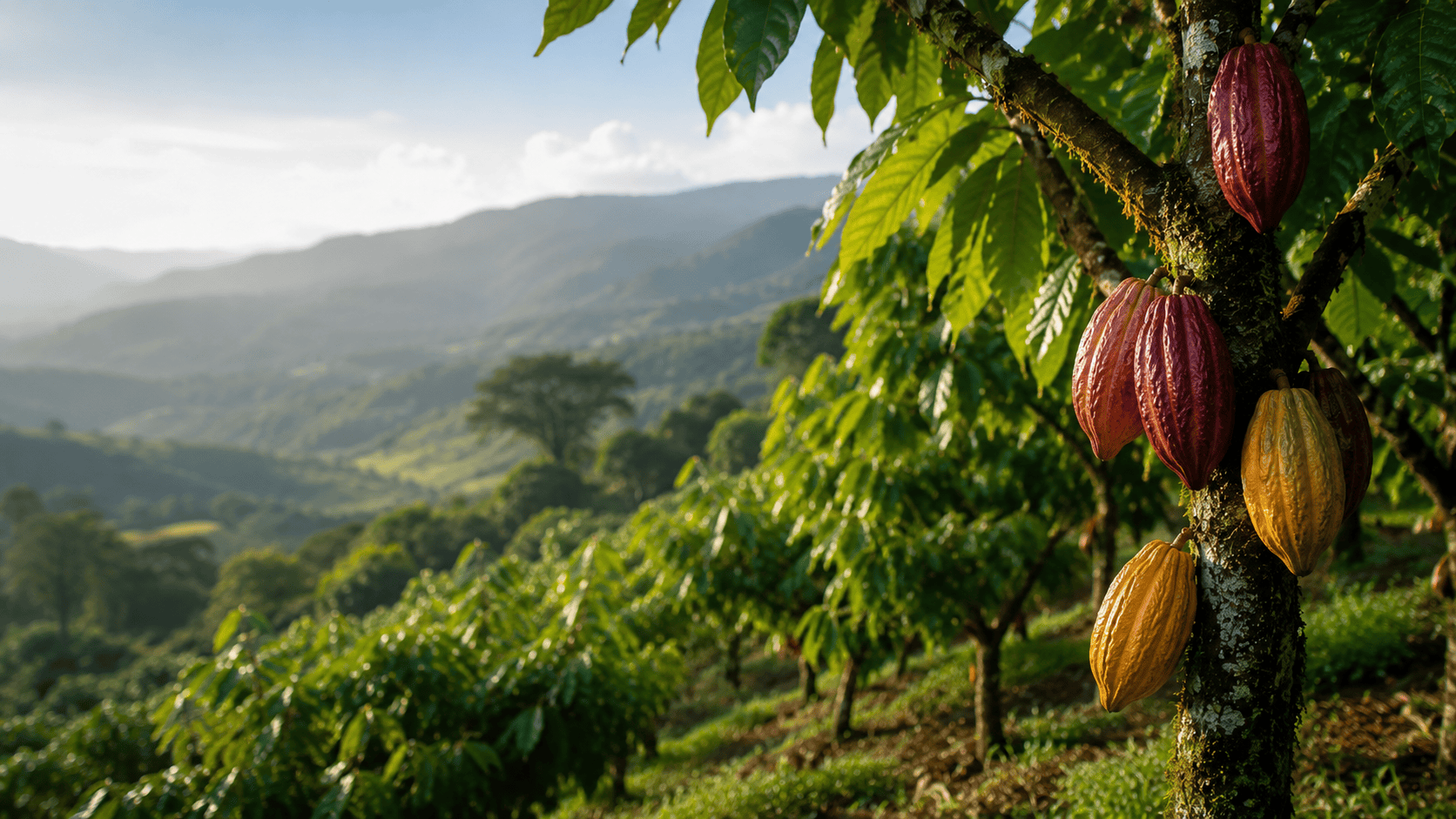
The process begins with harvesting ripe cocoa pods. After the beans are removed, they undergo the Fermentation Process, also known as Cocoa Fermentation. During this stage, natural microorganisms transform the beans, reducing bitterness while creating the flavor compounds that define premium chocolate.
Following fermentation, the beans are dried and carefully roasted. The Roasting Process develops aroma, deepens flavor, and prepares the beans for grinding.
The roasted beans are then transformed into Chocolate Liquor or Cocoa Mass, which contains both cocoa solids and cocoa butter.
One of the longest and most important stages is Conching. During conching, chocolate is continuously mixed for many hours to smooth texture, remove unwanted acidity, and refine flavor.
Finally, chocolate undergoes the Tempering Process, a carefully controlled heating and cooling cycle that stabilizes cocoa butter crystals. Proper tempering gives premium chocolate its attractive Glossy Finish, satisfying Snap Test, and silky texture.
Improper storage or tempering can result in Chocolate Bloom, where white streaks appear on the surface. While bloom affects appearance and texture, it does not necessarily mean the chocolate is unsafe to eat.
How Experts Evaluate Premium Dark Chocolate
Professional chocolatiers judge chocolate using multiple sensory characteristics rather than relying solely on cocoa percentage.
The first impression comes from appearance. High-quality chocolate has a smooth surface with a consistent Glossy Finish.
Next comes the Snap Test. When broken, well-tempered chocolate produces a clean, crisp snap instead of bending or crumbling.
The Aroma Profile reveals much about bean quality and processing. Premium chocolate may display notes of berries, citrus, nuts, caramel, honey, roasted coffee, or delicate floral characteristics.
Finally, tasters evaluate Natural Cocoa Flavor, Mouthfeel, and overall balance. Exceptional chocolate melts smoothly, develops layers of flavor gradually, and leaves a long, pleasant finish without excessive bitterness or waxiness.
These qualities are what distinguish Artisan Chocolate, Small-Batch Chocolate, Gourmet Chocolate, and Luxury Chocolate from ordinary confectionery.
Summary
Premium dark chocolate is defined by much more than a high cocoa percentage. The finest bars begin with exceptional cocoa beans, transparent ingredients, careful bean-to-bar craftsmanship, and responsible sourcing. Understanding cocoa origin, organic certifications, fermentation, roasting, conching, and tempering helps consumers recognize chocolate that delivers outstanding flavor and quality.
follow on Instagram